








Towards the end of the NRL season there was an incredible encounter on the TV between the Canberra Raiders and the Brisbane Broncos, which had everything and was totally captivating.
However, at a key point in the game despite watching avidly one of my children started scrolling on their phone and it led to an interesting conversation with very different viewpoints expressed by both me and my child and it got me reflecting……
When they do watch game or competition, is it the full version… or just a flurry of TikTok and YouTube highlights?
The way young people consume sport today looks very different from how many of us grew up. Back then, if you loved sport, you’d sit through whatever came on TV—whether it was Sunday afternoon football, Ski Sunday, Rugby Special or even the Diamond League on a Friday evening. Fewer choices meant more time watching whatever was available.
Today, attention is fragmented. Young athletes often skip the long game and focus on short clips. But are they missing out on deeper lessons?
There is a lot to be gained from watching sport in detail: understanding tactics, reading momentum shifts, and observing how athletes handle pressure whilst we still must as coaches, educators and parents acknowledge and potentially adapt to working with shortened attention spans.

So, what does this mean for us as sports parents?
Let’s look at some of the advantages of encouraging our children to watch their sport but also with an angle of how it may help them to be better athletes as well as better people.
Role Models and Sportsmanship
Watching sport has always provided children with heroes to look up to. But interestingly, research and experience suggest young athletes often gain more from role models they see regularly—like an older teammate in their club—than from distant superstars. They notice habits, work ethic, and mindset, then apply those lessons to their own routines.
Still, icons on TV or social media can inspire in powerful ways.
- Michael Jordan wasn’t just the most competitive player on the court—he showed humility in both victory and defeat. His Hall of Fame speech reminded young athletes that talent alone doesn’t cut it: “Obstacles don’t have to stop you. If you run into a wall… figure out how to climb it.”
- Serena Williams has faced injuries, losses, and criticism, but her resilience and grace under pressure made her a global symbol of perseverance. She consistently gives credit to her opponents and uses her platform to promote equality.
- The New Zealand All Blacks rugby team embody humility through their tradition of “sweeping the sheds.” No matter how big the win, players clean their own locker room—a ritual that teaches respect and accountability.
These examples show that sportsmanship isn’t just about shaking hands at the end of a game.
It’s about respect, humility, and living by values that go beyond the scoreboard.
Help your children find relevant role models of their own, either from the world of sport or even closer to home.
Developing Critical Thinking
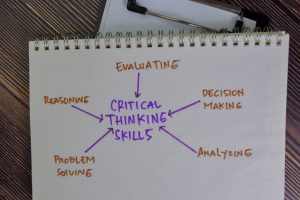
Watching sport isn’t just entertainment—it can sharpen the mind.
When your child watches a football or rugby game and questions a referee’s call, they’re practicing analysis. Was the foul intentional? Did the angle change the perception? That’s problem-solving in action.
Professional broadcasts also provide opportunities. Listen to Gary Neville breaking down defensive lines in Premier League coverage or Sue Barker dissecting strategy during Wimbledon. By engaging with commentary, kids can learn to question assumptions and explore alternative strategies.
Debating sport can also sharpen critical thinking. Whether it’s a family argument over VAR in football or friends debating whether Steph Curry is the best shooter in NBA history, these conversations teach kids to defend opinions and respect other viewpoints.
These are transferable skills: being able to evaluate, question, and problem-solve matters far beyond the playing field.
Enhancing Well-Being
Watching sport can boost both physical and mental well-being.
Physically, athletes often inspire kids to move. Usain Bolt’s record-breaking runs didn’t just electrify stadiums—they sent kids across the world sprinting in playgrounds, pretending to be the fastest human alive.
Mentally, sport provides a safe outlet for emotion. Fans ride waves of joy, frustration, and excitement, all while feeling part of a community. The England Women’s run to win the Rugby World Cup, the Lionesses bringing home Euro glory for the second time this last Summer and the Europeans coming home from the US with victory in the Ryder Cup.
Those experiences build connection and resilience.
Team sports also model collaboration.
Watching the NBA, the Golden State Warriors’ ball movement shows how selfless play creates success.
Seeing David Raya of Arsenal organise his defence teaches the value of communication under pressure. These lessons can stick.
Learning Emotional Regulation

Big games often come with big emotions—joy, frustration, anger, disappointment. Watching how athletes handle those moments can help teach our kid’s emotional control. Discussing these moments with them can act as a powerful conversation starter.
- Novak Djokovic has had highly public emotional outbursts, but he’s also spoken about channelling pressure into focus.
- In the NBA, Giannis Antetokounmpo went viral for calling losing “steps to success” after the Milwaukee Bucks’ playoff exit—an example of reframing disappointment in a healthy way.
We need to help our children to understand that it’s okay to feel emotions, but it’s also important to manage them constructively.
Appreciating Strategy and Planning
Sport isn’t just about athleticism—it’s also about tactics. Watching can teach kids the value of preparation and strategy.
- In the NFL, watching how coaches use timeouts or design plays in the final two minutes is a lesson in decision-making under pressure.
- In Formula 1, pit stop strategies can determine the race outcome, showing how teamwork and planning matter as much as individual talent.
This kind of observation can translate into academic problem-solving or even managing challenges in everyday life.
Can we provide opportunities to help our children gain a deeper understanding of the sports that they play?
Shortened clips are certainly helping with this and it is enjoyable talking with young athletes when they are analysing their performances and what they have seen.
Remember one of the traits of high performers is their ability to evaluate performance effectively, we can only help our young people do this if they are given space to talk and the tools to help them understand what they are seeing.
The Takeaway for Parents
Watching sport may look different today, but its lessons remain timeless.
Our children can still learn resilience from Serena, humility from the All Blacks, or decision-making from a Champions League final. But they’ll also learn from role models closer to home—a teammate who trains hard, or a coach who models respect.
So, encourage your child not only to play sport but to watch with purpose. Ask questions, discuss decisions, celebrate resilience, and highlight values you deem as important.
Because in the end, sport isn’t just about entertainment. It’s a classroom without walls—teaching values, sharpening minds, inspiring future high performers and setting up many for healthier, happier lives.
